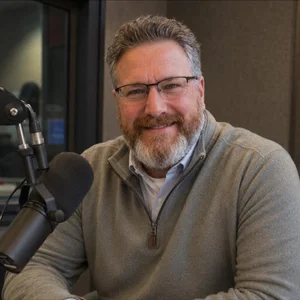
Where fandom finds a voice
It started with an idea: fandom is more than what we watch, read, hear or collect. It is the story of how popular culture becomes part of our lives.
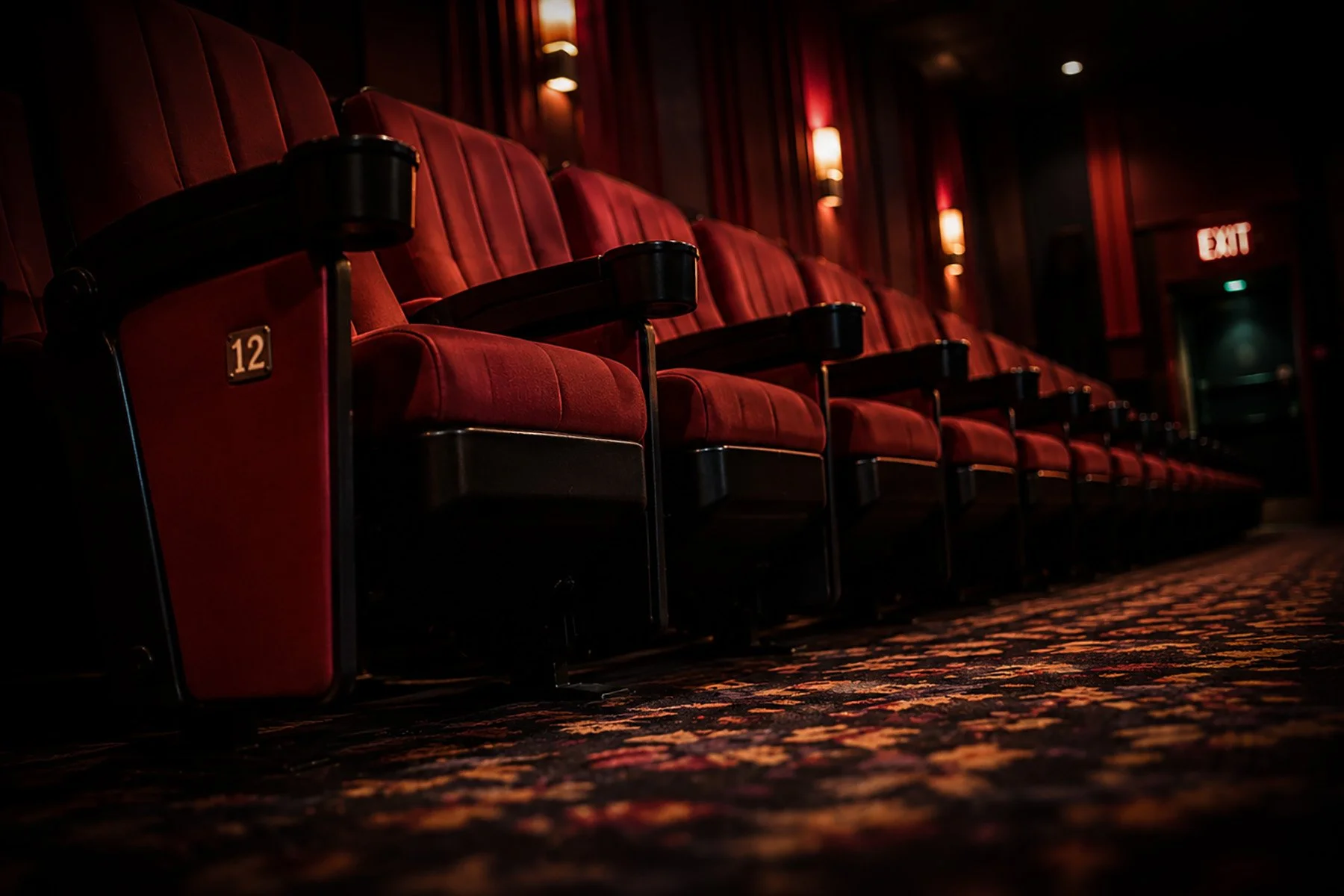
Rows of empty theater seats wait for the lights to dim and the next story to begin.
Experience the moment
The movie begins long before the first image appears on the screen. It starts beneath the glow of the marquee, with a ticket in your hand and the smell of fresh popcorn drifting through the lobby. You stop at the concession stand for a Coke and a box of candy, study the posters for coming attractions and make your way down the hallway toward the numbered doors. Inside, people are still finding their seats. Candy wrappers crinkle. Conversations continue through the trailers. Then the final preview ends, the lights dim a little further and the room slowly grows quiet.
For a moment, everyone is waiting for the same thing.
The screen comes alive, the score begins and the outside world disappears. Maybe it is the music that stays with you. Maybe it is a character who makes you feel understood or a story that reaches you at exactly the right point in your life. Years later, you may not remember where you parked or what you ordered at the concession stand, but hearing that music again can take you back before the first few notes have finished playing.
That's the power of popular culture. We experience it through movies and television, music and books, comics and toys, art and design. We experience it alone and with the people around us. A television show watched every week can become part of a family ritual. A song can become inseparable from a first date, a road trip or a particular summer. A fictional character can help someone see themselves differently. A story can influence the way we look at the world or even inspire the career we eventually choose. Sometimes millions of people share the same experience. What it comes to mean to each of us can be deeply personal.
That's where fandom begins. Something captures our imagination, makes us feel something and gives us a reason to come back. We watch the next episode, buy the next issue, play the album again or spend years exploring a world that started with a single experience. Somewhere along the way, it becomes part of our own story.
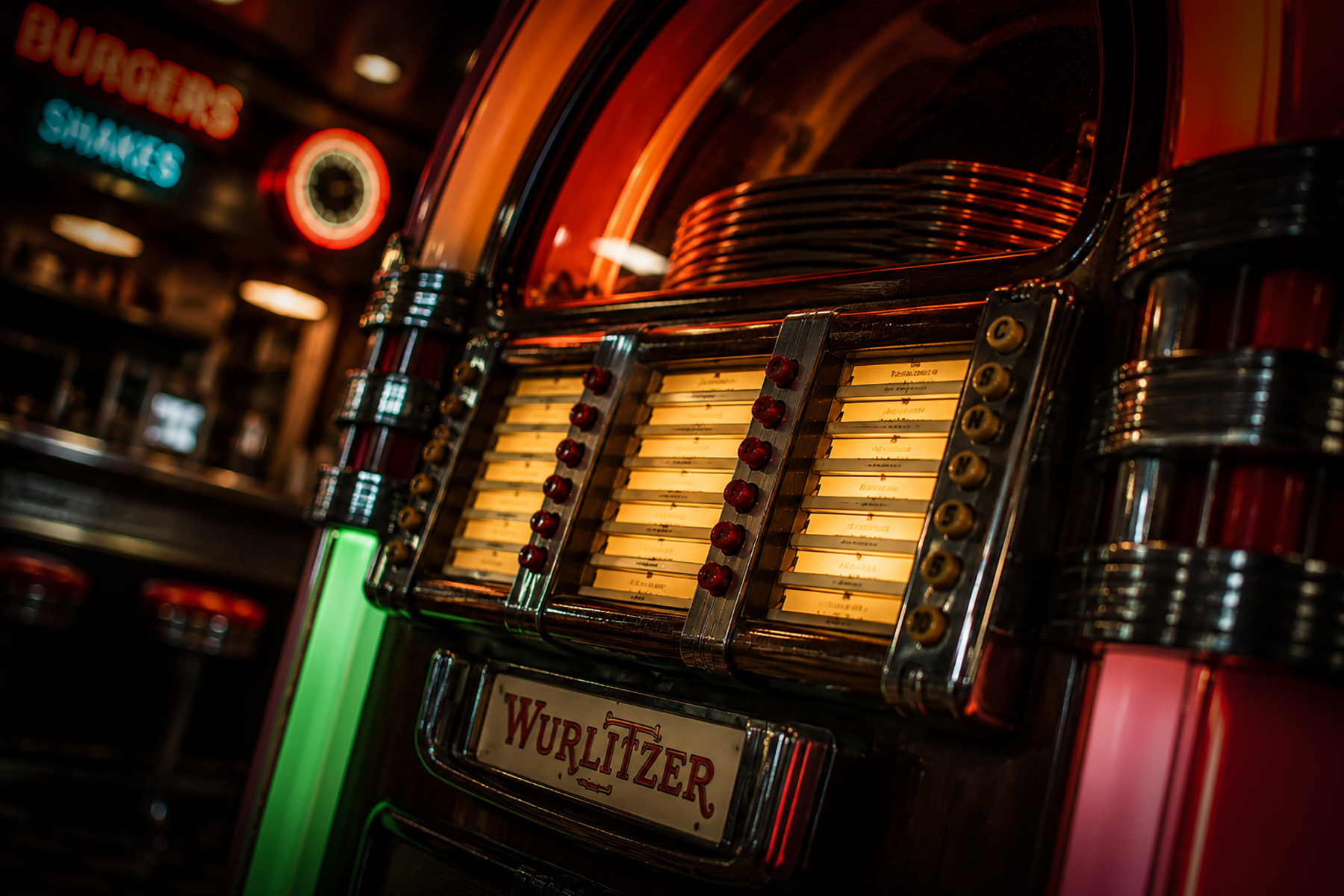
A familiar song can turn a machine, a record and a few minutes of music into a memory that lasts a lifetime.
Capture the Meaning
We find ways to hold onto those experiences. Maybe it is the dog-eared comic you bought from a spinner rack with money earned cutting grass, the one you read until the corners curled and the cover barely survived. Maybe it is the lunchbox with your name still written inside the lid, a record that transports you somewhere else as soon as the needle drops or the toy you spent an entire Christmas season hoping to find beneath the tree. A movie ticket gets tucked inside a book. A poster goes on the wall. A photograph captures a moment. An autograph becomes inseparable from the conversation you had while it was being signed.
Sometimes what we keep is worth very little. Sometimes it is worth thousands of dollars. Both can matter. Rarity, condition and financial value are part of understanding the things we collect, and there is nothing wrong with taking pride in building something significant or finally finding a piece that took years to track down. The hunt can become part of the experience, and a new acquisition can represent the culmination of a journey that began decades earlier.
But value alone cannot explain the connection. It cannot tell you why one comic in a box of hundreds is the first one you would save, why you completed a toy line others dismissed long ago or why something you discovered only recently awakened an interest you thought you had left behind. It cannot explain why a familiar song brings back someone you miss, why a costume in a museum makes the person who wore it suddenly feel real or why a piece of everyday design can become inseparable from the place you call home.
That is where the story lives. Not simply in what something is, but in what happened around it. Where were you in your life when you encountered it? Who was there with you? What did it inspire? Where did it lead? Why, after everything else that has come and gone, did this stay?
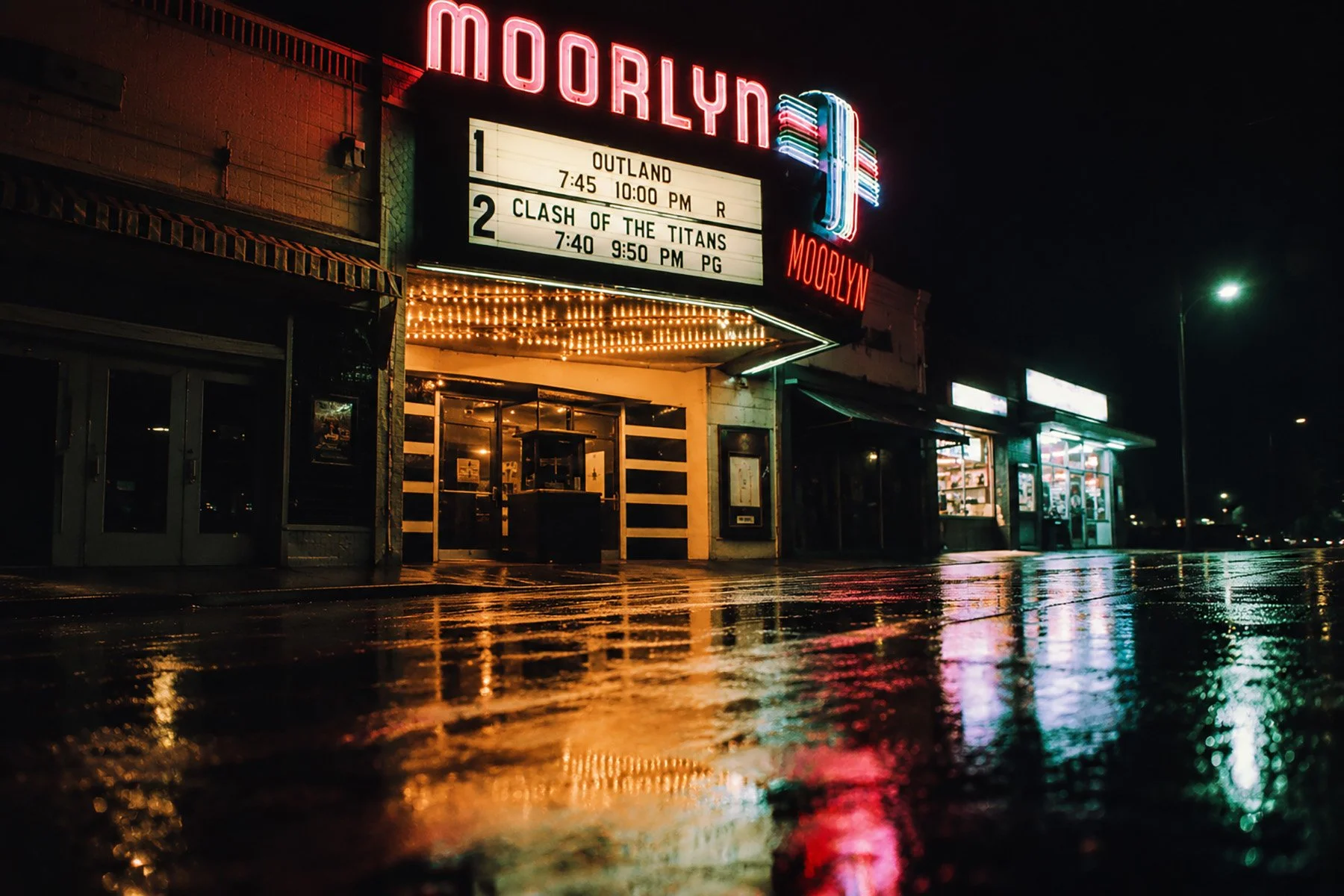
Every journey begins somewhere. Follow what captured your imagination, and you may discover a story that has been unfolding for years.
Take the Journey
That's where POP archaeology begins.
Every fan has those stories. The movie that arrived at exactly the right moment. The television series that became part of a friendship or inspired a dream. The comic that opened the door to an entirely new world. The music that became the soundtrack to a season of life. The childhood favorite rediscovered years later. The convention encounter that became more meaningful with time. The place you return to because something about being there reconnects you with the reason you became a fan in the first place.
POP archaeology starts with that connection and follows the story wherever it leads. Sometimes it begins with something sitting on a shelf or hanging on a wall. Other times it begins in a movie theater, a comic shop, a record store, a museum or a place where popular culture becomes something you can experience firsthand. Along the way, we may explore history, creativity, design, rarity and value, but always because they help us better understand the experience that made someone care.
That is the difference between knowing what something is and understanding why it matters.
POP nakaro is a place for those stories. We want to know what captured your imagination and why it never completely let go. We want to know about the people you met, the places you went, the things you searched for and the experiences that made being a fan part of who you are. Because behind every collection, every lifelong fascination and every piece someone could never bring themselves to let go, there is a story no price guide can tell.
POP nakaro is a place for those stories. We want to know what captured your imagination and why it never completely let go. We want to know about the people you met, the places you went, the things you searched for and the experiences that made being a fan part of who you are. Because behind every collection, every lifelong fascination and every piece someone could never bring themselves to let go, there is a story worth telling.
Welcome to POP nakaro, where fandom finds a voice.